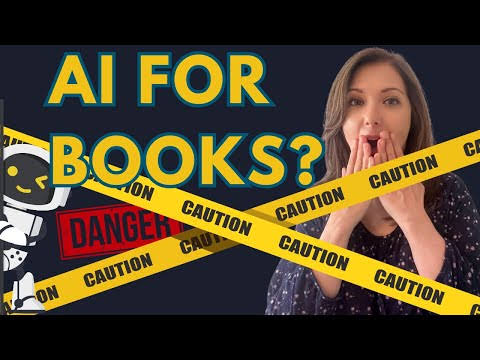
People often ask me whether I use AI.
The answer is yes.
I use it to research ideas, organise information, improve structure, and sometimes challenge my own thinking.
But when it comes to writing my novels, I see AI differently.
For me, a story is not just a collection of words arranged on a page.
It is imagination, emotion, personal experience, and the small details that make characters feel alive.
Could AI create a story?
Yes.
Could it help develop a strong plot, interesting characters, and a clear structure?
Absolutely.
But would it tell my story?
That is where I believe the difference begins.
Writing a novel is not only about reaching the final chapter. It is about every choice made along the way.
The conversation a character has that reveals something unexpected.
The idea that appears while writing a scene.
The moment when a chapter feels wrong and needs to be rewritten.
Those decisions come from the writer’s perspective, experiences, and understanding of people.
That is the part I want to protect.
This does not mean AI has no role in creativity.
It does.
I have found it useful for brainstorming, checking clarity, exploring different approaches, and questioning ideas I may have overlooked.
AI has become another tool on my desk.
But it is not the author sitting in my chair.
The balance for me is simple:
Use technology where it adds value.
Keep the creative decisions where they belong.
As AI continues to develop, more writers will face an important question.
Not whether AI can write a book.
But how much of the creative process they are willing to hand over.
For me, the answer is clear.
I want readers to connect with my ideas, my characters, and my voice.
AI can help me improve as a writer.
But it cannot replace the experiences, memories, and emotions that inspired me to write.
And that is something I hope never changes.