
When people think about technological change, they imagine something obvious.
A major invention. A new device.
A breakthrough that instantly changes everything.
But looking back at history, that’s not always how it happens.
Sometimes the biggest changes are the ones people barely notice while they’re happening.
Take smartphones.
When smartphones first appeared, most people saw them as better mobile phones than the analog cellphones.
A convenient way to make calls, send and receive messages, browse the internet, and take photos.
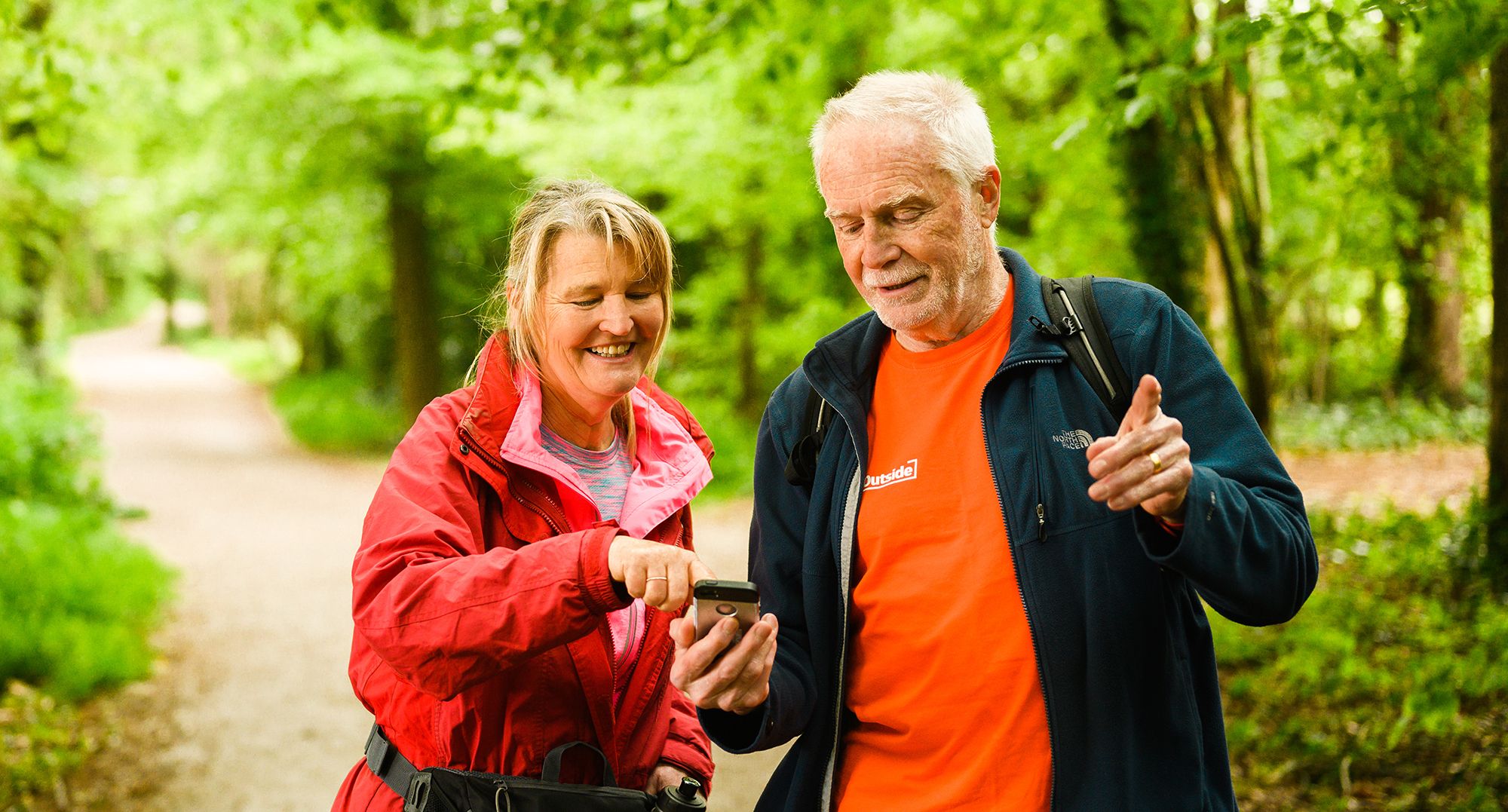
What many didn’t realise was that smartphones would eventually change how people communicate habits such as shopping, help in navigation, how they consume the news, build businesses, and even form relationships.
The technology didn’t just change what people could do but also how they do them. It changed behaviour.
And I sometimes wonder whether AI is following a similar path.
Not because it’s replacing everything overnight.
But because it’s quietly influencing how people approach everyday tasks.
For example, when people encounter a problem today, many no longer start by searching multiple websites.
Increasingly, they ask AI.
When people need help writing something, they may ask AI for a starting point.
When they need to organise ideas, summarise information, or explore a topic, AI is often becoming part of the process.
None of these changes seem dramatic on their own.
But collectively, they represent a shift at certain time and in people's behaviour.
And that’s where things tend to become more interesting.
Technology tends to have its biggest impact not when people talk about it, but when people stop talking about it.
The internet was once considered revolutionary. But today, people are barely thinking about it.
The same thing happened with email.
Online banking.
GPS navigation.
Streaming services.
Eventually, technologies become normal.
They move from being remarkable to being expected.
Perhaps AI is beginning to enter that stage.
Not as a futuristic concept.
But as a tool that quietly becomes part of everyday routines.
Whether that’s positive or negative probably depends on how people choose to use it.
But either way, it raises an interesting question.
Years from now, when people look back at this period, will they remember the technology itself?
Or will they notice how much their behaviour changed because of it?
Because sometimes the biggest technological shifts aren’t the ones that change machines.
They’re the ones that change people.
Curious — what technology has changed your daily behaviour the most over the last ten years?


No comments:
Post a Comment